

Skin is the largest organ of the human body, and taking care of it is essential for maintaining a healthy and youthful appearance. A proper skin care routine not only improves the look of your skin but also protects it from environmental damage, premature aging, and common skin concerns.
Whether you’re new to skincare or looking to improve your existing habits, understanding the fundamentals of skin care can help you achieve long-lasting results. In this guide, we’ll explore the best practices, products, and daily habits that support healthy skin.
Why Is Skin Care Important?
Your skin acts as a protective barrier against pollution, bacteria, and harmful UV rays. Neglecting your skin can lead to issues such as dryness, acne, wrinkles, and uneven skin tone.
Benefits of following a consistent skin care routine include:
- Healthier-looking skin
- Improved hydration
- Reduced acne breakouts
- Prevention of premature aging
- Better skin texture
- Enhanced confidence
Developing a proper face care routine is one of the best investments you can make for your overall appearance and health.
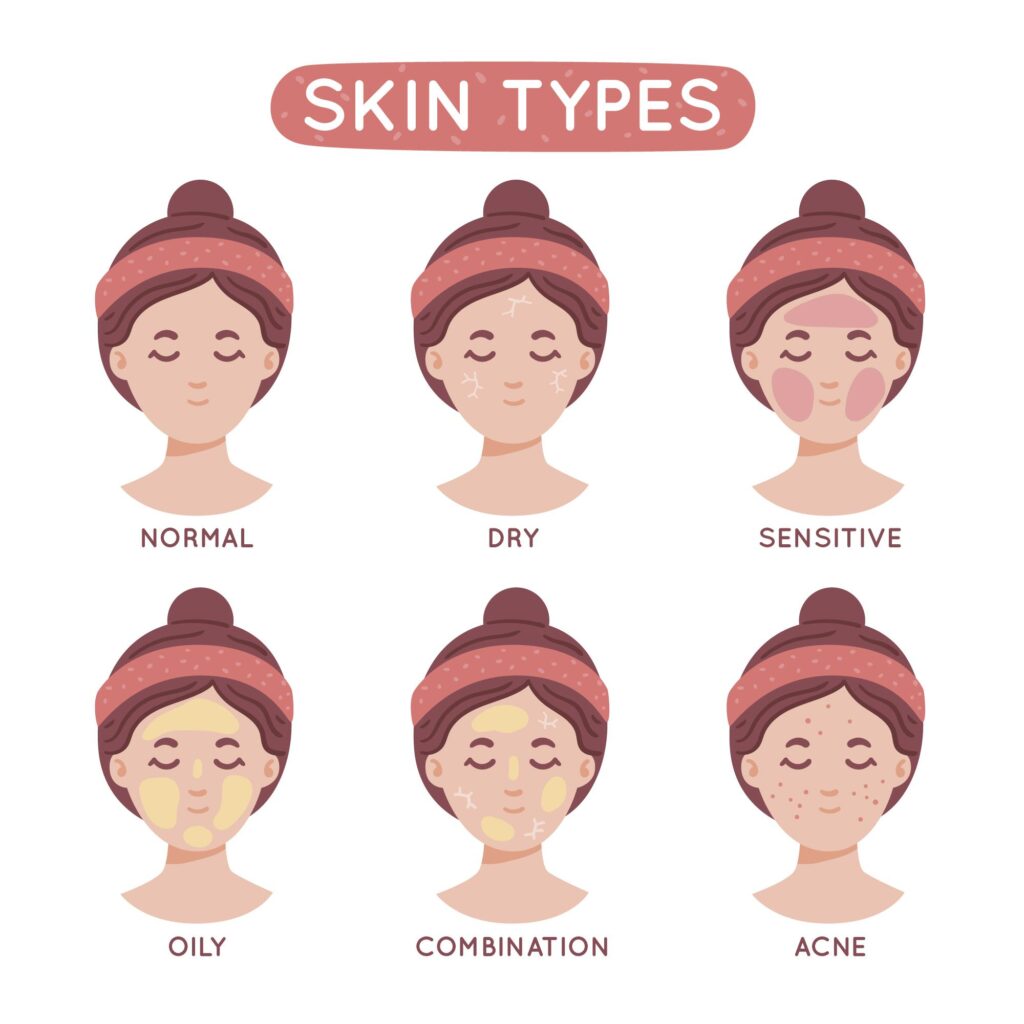
Understanding Your Skin Type
Before creating a skin care routine, it’s important to identify your skin type.
Oily Skin
Characteristics:
- Excess oil production
- Enlarged pores
- Frequent acne breakouts
Dry Skin
Characteristics:
- Flaky patches
- Tightness after washing
- Rough texture
Combination Skin
Characteristics:
- Oily T-zone
- Dry cheeks
- Mixed skin concerns
Sensitive Skin
Characteristics:
- Redness
- Irritation
- Reactions to certain products
Knowing your skin type helps you choose the right skin skincare products and treatments.
Essential Steps in a Daily Skin Care Routine
A well-structured skin care routine doesn’t have to be complicated. The key is consistency.
Step 1: Cleanse Your Skin
Cleansing removes dirt, oil, sweat, and makeup from the skin.
Tips for Effective Cleansing
- Use a gentle cleanser.
- Wash twice daily.
- Avoid harsh scrubbing.
A good cleanser forms the foundation of any successful skin care routine.
Step 2: Apply a Toner
Toners help balance the skin’s pH level and prepare it for other skincare products.
Benefits include:
- Removes leftover impurities
- Hydrates the skin
- Minimizes the appearance of pores
Adding toner can significantly improve your overall skin skincare regimen.
Step 3: Use a Serum
Serums contain concentrated ingredients designed to target specific concerns.
Popular serum ingredients include:
Vitamin C
- Brightens skin
- Reduces pigmentation
Hyaluronic Acid
- Boosts hydration
- Improves skin elasticity
Niacinamide
- Controls oil production
- Reduces redness
Serums are an essential part of an advanced skin care routine.
Step 4: Moisturize Daily
Moisturizers help lock in hydration and strengthen the skin barrier.
Benefits:
- Prevents dryness
- Maintains softness
- Protects against environmental stressors
No face care routine is complete without a quality moisturizer.
Step 5: Apply Sunscreen
Sunscreen is one of the most important skin care products you can use.
Why Sunscreen Matters
- Prevents sunburn
- Reduces skin cancer risk
- Slows premature aging
- Prevents dark spots
Experts recommend using SPF 30 or higher every day, regardless of the weather.
Morning Face Care Routine
A morning face care routine helps protect your skin throughout the day.
Morning Routine Checklist
- Cleanser
- Toner
- Vitamin C Serum
- Moisturizer
- Sunscreen
This simple face care routine can help maintain healthy and glowing skin.
Night Skin Care Routine
Your skin repairs itself while you sleep, making nighttime skincare especially important.
Night Routine Checklist
- Cleanser
- Toner
- Treatment Serum
- Eye Cream
- Moisturizer
A dedicated skin care routine before bed allows active ingredients to work effectively overnight.
Best Habits for Healthy Skin
Healthy skin isn’t only about products. Daily habits also play a major role.
Drink Plenty of Water
Hydration supports healthy skin function and appearance.
Eat a Balanced Diet
Focus on foods rich in:
- Vitamins
- Antioxidants
- Healthy fats
Get Enough Sleep
Poor sleep can contribute to:
- Dark circles
- Dull complexion
- Premature aging
Exercise Regularly
Exercise improves circulation and supports natural skin renewal.
Combining these habits with a proper skin skincare plan can dramatically improve skin health.
Read more: 10 Foods for High-Protein Foods
Common Skin Care Mistakes to Avoid
Many people unintentionally damage their skin through poor skincare habits.
Avoid These Mistakes
Over-Exfoliating
Too much exfoliation can weaken the skin barrier.
Skipping Sunscreen
Sun damage accumulates over time.
Sleeping with Makeup
This can clog pores and cause breakouts.
Using Too Many Products
Excessive products may irritate the skin.
Following a balanced skin care routine is often more effective than using numerous products.
Natural Tips for Better Skin Care
If you’re looking for natural ways to support your skin care goals, consider these strategies:
Natural Skin Care Tips
- Eat antioxidant-rich foods
- Stay hydrated
- Manage stress
- Avoid smoking
- Limit sugar intake
- Protect skin from excessive sun exposure
These simple lifestyle changes complement any face care routine.
Quick Questions and Answers
What is the most important step in skin care?
Sunscreen is often considered the most important step because it protects against UV damage and premature aging.
How many times should I wash my face daily?
Most dermatologists recommend cleansing twice a day.
Can I skip moisturizer if I have oily skin?
No. Oily skin still needs hydration to maintain balance.
How long does it take to see skincare results?
Most people notice improvements within 4 to 8 weeks of following a consistent skin care routine.
Frequently Asked Questions (FAQs)
1. What is the ideal skin care routine for beginners?
A beginner-friendly routine includes cleanser, moisturizer, and sunscreen during the day, with cleansing and moisturizing at night.
2. How often should I exfoliate my skin?
Most people benefit from exfoliating one to three times per week, depending on their skin type.
3. Why is sunscreen important in skin care?
Sunscreen protects against harmful UV rays that cause premature aging, pigmentation, and skin cancer.
4. Can a face care routine help reduce acne?
Yes. A consistent face care routine using suitable products can help manage acne and improve skin texture.
5. What foods are good for healthy skin?
Foods rich in antioxidants, vitamins A, C, E, and omega-3 fatty acids can support healthier skin.
Conclusion
Building a successful skin care routine doesn’t require expensive products or complicated steps. The foundation of healthy skin lies in consistency, proper hydration, sun protection, and using products suited to your skin type.
Whether you’re creating your first face care routine or refining an existing one, focusing on healthy habits and quality skin skincare products can help you achieve smoother, brighter, and healthier skin over time. Start with the basics, stay consistent, and your skin will thank you for it.