

Good eye health is essential for maintaining a high quality of life. Our eyes help us work, communicate, learn, and enjoy the world around us. However, modern lifestyles involving prolonged screen exposure, poor dietary habits, and a lack of regular eye checkups have increased the risk of various eye problems.
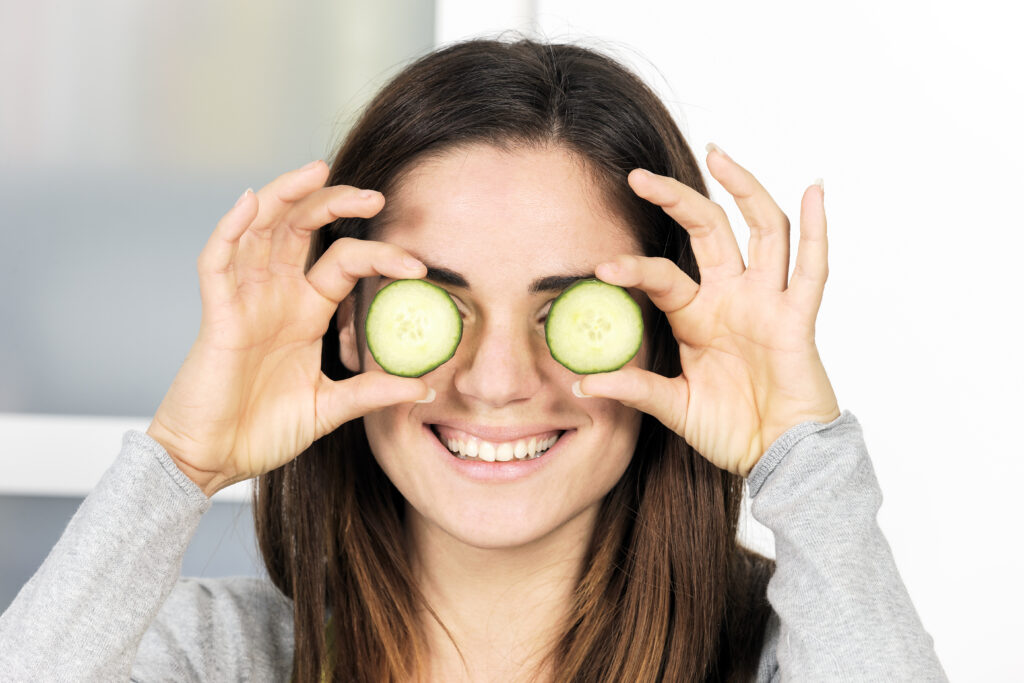
Maintaining eye health is not only about having clear vision. It also involves protecting your eyes from disease, reducing strain, and supporting long-term visual function. Whether you’re a student, office worker, or senior citizen, prioritizing eye health can help preserve your vision for years to come.
This guide covers everything you need to know about eye health, including common eye problems, eye treatment options, nutrition, lifestyle habits, and eye health supplements that may support healthy vision.
Why Is Eye Health Important?
Healthy eyes contribute significantly to overall well-being. Poor eye health can affect productivity, independence, and daily activities.
Benefits of maintaining good eye health include:
- Clear and comfortable vision
- Reduced risk of vision loss
- Better productivity at work
- Improved learning and concentration
- Enhanced quality of life
- Lower risk of age-related eye diseases
Making eye health a priority today can help prevent future complications.
Common Eye Problems That Affect Vision
Many people experience eye problems at some point in their lives. Some conditions are temporary, while others may require professional eye treatment.
1. Digital Eye Strain
Excessive screen time can cause:
- Dry eyes
- Blurred vision
- Headaches
- Eye fatigue
Digital eye strain has become one of the most common eye problems worldwide.
2. Dry Eye Syndrome
This condition occurs when the eyes do not produce enough tears or when tears evaporate too quickly.
Symptoms include:
- Burning sensation
- Redness
- Sensitivity to light
- Blurry vision
Proper eye treatment can often help manage symptoms effectively.
3. Cataracts
Cataracts occur when the eye’s natural lens becomes cloudy.
Common symptoms:
- Blurry vision
- Difficulty seeing at night
- Increased glare sensitivity
- Regular eye exams help detect cataracts early and support better eye health outcomes.
4. Glaucoma
Glaucoma damages the optic nerve and may lead to permanent vision loss if untreated.
Risk factors include:
- Aging
- Family history
- High eye pressure
Early diagnosis plays a crucial role in preserving eye health.
5. Age-Related Macular Degeneration
This condition affects central vision and is more common in older adults.
Symptoms include:
- Distorted vision
- Difficulty reading
- Reduced central vision
Maintaining eye health becomes increasingly important as people age.
What Causes Poor Eye Health?
Several factors can negatively affect eye health.
Lifestyle Factors
- Excessive screen use
- Smoking
- Poor nutrition
- Lack of sleep
Medical Conditions
- Diabetes
- High blood pressure
- Autoimmune disorders
Environmental Factors
- UV exposure
- Air pollution
- Dry environments
Understanding these risk factors can help you protect your eye health more effectively.
Read More: The Complete Guide to Fiber Enriched Food for a Healthier Life
How Can You Improve Eye Health Naturally?
There are several practical steps you can take to support eye health and reduce the risk of eye problems.
Follow the 20-20-20 Rule.
When working on screens:
- Every 20 minutes
- Look at something 20 feet away.
- For at least 20 seconds
This simple habit helps reduce eye strain and supports better eye health.
Wear UV-Protective Sunglasses
Excessive sun exposure can damage the eyes.
Benefits include:
- Reduced UV damage
- Lower cataract risk
- Better long-term eye health
Stay Hydrated
Proper hydration supports tear production and helps prevent dry eyes.
Aim to drink adequate water throughout the day to maintain eye health.
Get Enough Sleep
Sleep allows the eyes to recover from daily stress.
Benefits of quality sleep include:
- Reduced eye fatigue
- Better focus
- Improved eye health
Which Foods Support Eye Health?
Nutrition plays a critical role in maintaining healthy vision.
Best Foods for Eye Health
Leafy Green Vegetables
- Spinach
- Kale
- Collard greens
Colorful Fruits and Vegetables
- Carrots
- Sweet potatoes
- Bell peppers
Omega-3 Rich Foods
- Salmon
- Sardines
- Tuna
Nuts and Seeds
- Almonds
- Walnuts
- Chia seeds
Including these foods regularly can strengthen eye health and support overall wellness.
Eye Health Supplements: Do They Help?
Many people consider eye health supplements to support vision and reduce age-related eye concerns.
Common ingredients found in eye health supplements include:
- Lutein
- Zeaxanthin
- Vitamin C
- Vitamin E
- Zinc
- Omega-3 fatty acids
Some studies suggest that certain eye health supplements may help individuals at risk of age-related vision conditions. However, supplements should complement a healthy lifestyle rather than replace it.
Always consult a healthcare professional before starting any eye health supplements.
What Are the Most Effective Eye Treatment Options?
The best eye treatment depends on the underlying condition.
Common Eye Treatment Methods
Prescription Eyeglasses
Correct vision issues such as nearsightedness and farsightedness.
Eye Drops
Used for:
- Dry eyes
- Allergies
- Infections
Laser Procedures
May help correct refractive errors.
Surgery
Sometimes necessary for cataracts or advanced eye conditions.
Seeking professional eye treatment early can prevent complications and preserve eye health.
Can Eye Health Improve Naturally?
Yes. In many cases, eye health can be improved through healthy lifestyle choices. Eating nutrient-rich foods, limiting screen exposure, exercising regularly, staying hydrated, and getting adequate sleep can all contribute to healthier eyes. While these habits cannot reverse every condition, they play an important role in maintaining eye health and preventing future eye problems.
Why Are Eye Problems Becoming More Common?
Eye problems are increasing due to modern lifestyle changes. Many people spend several hours each day looking at computers, smartphones, and tablets. Combined with poor sleep, inadequate nutrition, and increased stress levels, these factors can negatively affect eye health. Regular eye exams and preventive care can help reduce the impact of these challenges.
Daily Habits for Better Eye Health
Follow these simplehabits every day:
- Take regular screen breaks.
- Wear sunglasses outdoors
- Eat a balanced diet
- Stay hydrated
- Avoid smoking
- Exercise regularly
- Get sufficient sleep
- Schedule regular eye exams.
These practices can significantly improve eye health over time.
Frequently Asked Questions (FAQs)
1. What is the best way to maintain eye health?
A healthy diet, regular eye exams, screen breaks, proper sleep, and UV protection are among the best ways to support eye health.
2. Can eye health supplements improve vision?
Eye health supplements may support overall eye function and help certain individuals maintain healthy vision, especially when combined with a balanced diet.
3. What are the most common eye problems?
Common eye problems include dry eyes, digital eye strain, cataracts, glaucoma, and age-related macular degeneration.
4. When should I seek eye treatment?
You should seek eye treatment if you experience vision changes, persistent eye pain, redness, flashing lights, or ongoing discomfort.
5. How often should I have an eye examination?
Most adults should have a comprehensive eye exam every one to two years, depending on age and risk factors.
Conclusion
Eye health is an essential part of overall wellness and deserves regular attention. From preventing common eye problems to exploring effective eye treatment options and understanding the role of eye health supplements, there are many ways to protect your vision. By adopting healthy habits, eating nutrient-rich foods, and scheduling regular eye exams, you can maintain strong eye health throughout your life.
Taking small steps today can make a significant difference in preserving your vision and reducing the risk of future eye problems.