
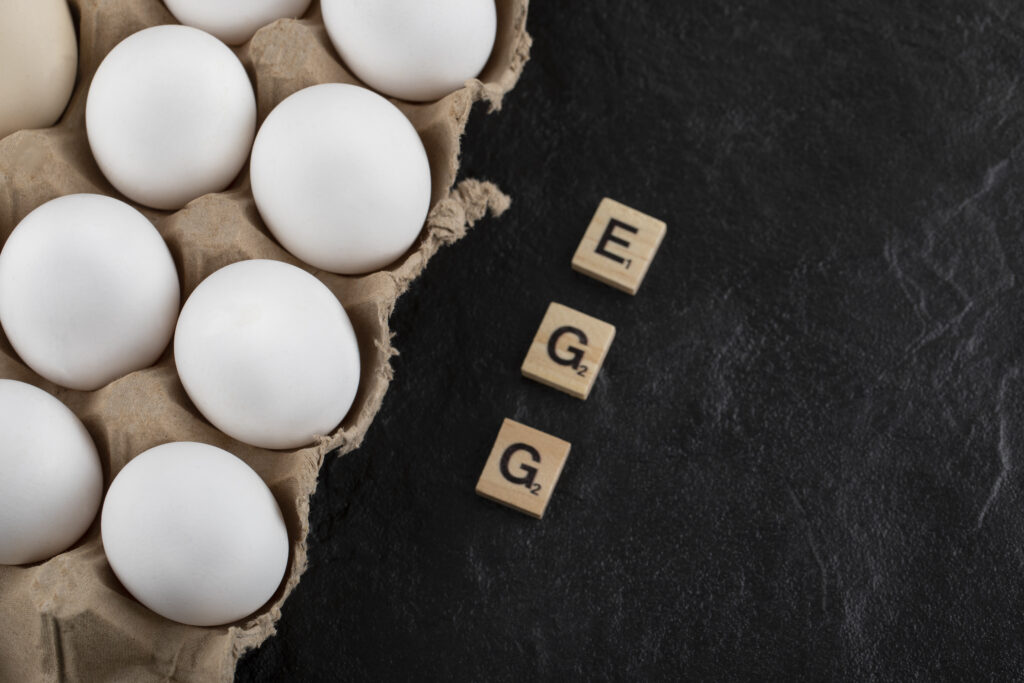

Protein in one egg is a common topic among health-conscious people, fitness beginners, and anyone trying to improve their diet. Eggs are affordable, widely available, and considered one of the most complete protein sources. But many people still ask: in 1 egg, how much protein does it actually contain?
In this detailed guide, we break down protein in one egg, explain egg white protein, boiled egg protein, and even clarify 2 egg protein values. This article will help you understand how eggs fit into a healthy, protein-rich diet.
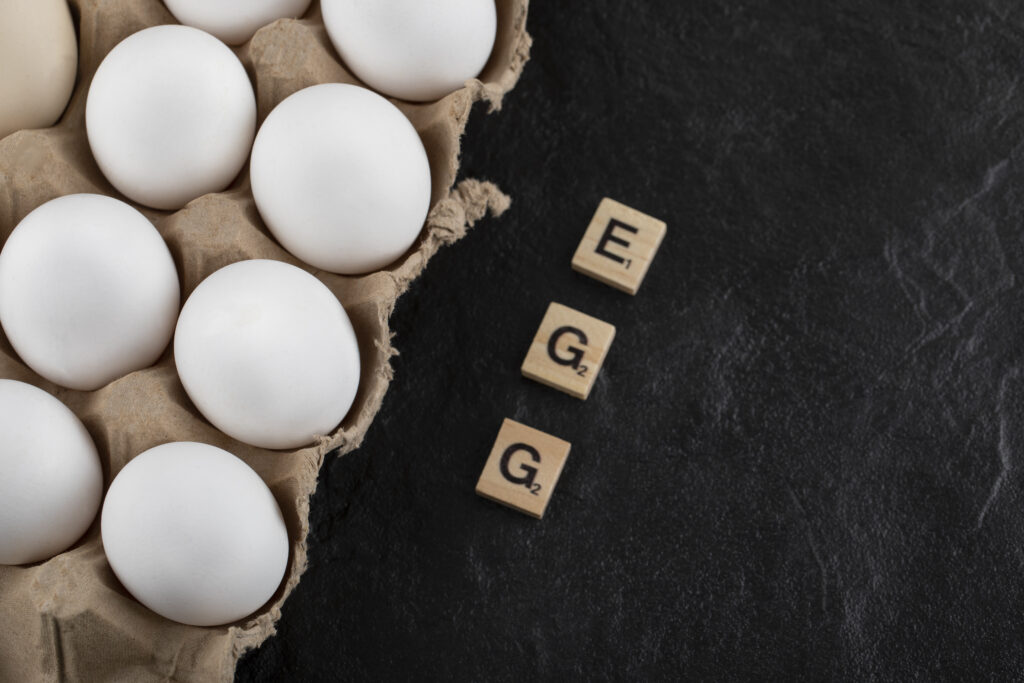
Why Protein in One Egg Matters for Daily Nutrition
Protein in one egg plays an important role in muscle repair, metabolism, immunity, and overall body function. Eggs are known as a protein source because they contain all nine essential amino acids required by the human body.
Key Benefits of Protein in One Egg
- Supports muscle growth and recovery
- Helps you feel full for longer
- Aids weight management
- Supports brain and hormone health
- Improves overall nutrient intake
Including eggs regularly ensures consistent intake of egg white protein and yolk nutrients.
In 1 Egg, How Much Protein Is There?
One of the most searched questions is: in 1 egg, how much protein is present?
Protein Content Breakdown
- 1 whole egg (medium): ~6–7 grams of protein
- Egg white protein (1 egg): ~3.5–4 grams
- Egg yolk: ~2.5–3 grams
This balance makes eggs a complete protein food, offering both fast-digesting and slow-digesting protein.
Egg White Protein vs Whole Egg Protein
Many people remove the yolk to reduce calories, but is that always necessary?
Egg White Protein Benefits
- Low calorie
- Fat-free
- High protein density
- Ideal for weight loss diets
Whole Egg Protein Benefits
- Contains vitamins A, D, E, and B12
- Rich in healthy fats
- Improves nutrient absorption
Both options provide excellent protein in one egg, depending on your health goal.
Boiled Egg Protein: Is It Different?
Boiling eggs is one of the healthiest cooking methods.
Boiled Egg Protein Value
- Boiled egg protein remains the same as raw egg protein.
- Heat improves protein digestibility.
- No added fats or oils
A boiled egg delivers clean protein in one egg, making it ideal for daily consumption.
2 Egg Protein: How Much Do You Get?
If one egg provides around 6–7 grams, then 2 eggs’ protein equals:
- 2 whole eggs: ~12–14 grams of protein
- 2 egg whites: ~7–8 grams of protein
For beginners starting a high-protein diet, consuming 2 egg proteins at breakfast is a simple and effective strategy.
Protein in One Egg for Weight Loss
Protein in one egg helps with weight loss by increasing satiety and reducing overall calorie intake.
Why Eggs Help Fat Loss
- Reduce hunger hormones
- Increase metabolic rate
- Preserve lean muscle mass.
Including boiled egg protein in breakfast often leads to reduced calorie intake throughout the day.
Protein in One Egg for Muscle Building
Eggs are widely used by athletes and gym-goers.
How Eggs Support Muscle Growth
- High biological value protein
- Rich in leucine (muscle-building amino acid)
- Supports post-workout recovery
Consuming protein in one egg consistently contributes to steady muscle repair and growth.
Is Protein in One Egg Enough Per Meal?
Protein requirements depend on your body weight and goals.
General Recommendation
- Per meal protein target: 20–30g
- Eggs needed per meal:
- 3–4 whole eggs, or
- Egg whites combined with other protein sources.
Eggs work best when combined with other protein egg-friendly foods like vegetables, grains, or dairy.
Best Ways to Eat Eggs for Maximum Protein
Healthy Cooking Methods
- Boiled
- Poached
- Lightly scrambled
- Omelet with vegetables
Avoid deep frying to preserve the nutritional value of egg white protein and yolk nutrients.
Related blog: https://navataram.com/top-10-high-protein-foods/
Common Myths About Protein in One Egg
Myth 1: Egg yolk is unhealthy
Fact: Egg yolk contains essential vitamins and healthy fats.
Myth 2: Egg white protein is better than whole egg
Fact: Whole eggs offer more complete nutrition.
Myth 3: Eggs increase cholesterol for everyone
Fact: Moderate egg intake is safe for most people.
Final Thoughts on Protein in One Egg
Protein in one egg is one of the most efficient, affordable, and complete protein sources available. Whether you choose whole eggs, egg white protein, or boiled egg protein, eggs can easily fit into almost any diet.
Understanding in 1 egg how much protein you get helps you plan meals better, meet daily protein goals, and improve overall health.
Consistency matters more than quantity. Adding eggs regularly can significantly improve your protein intake without complexity.
FAQs: Protein in One Egg
1. In 1 egg, how much protein is present?
A medium egg contains approximately 6–7 grams of protein.
2. Is egg white protein better than whole egg protein?
Egg white protein is lower in calories, but whole eggs provide more complete nutrition.
3. How much protein is in 2 egg protein servings?
Two whole eggs provide around 12–14 grams of protein.
4. Does boiling reduce egg protein?
No, boiled egg protein remains the same and is easier to digest.
5. Can I eat eggs daily for protein?
Yes, eating eggs daily is safe for most people and supports healthy protein intake.