

Hair loss is one of the most common concerns people face today, affecting both men and women. From an itchy scalp and thinning strands to sudden effluvium hair loss, the reasons can vary widely. While male pattern hair loss is often genetic, other factors like stress, vitamin deficiencies, and lifestyle habits can also play a role.
In this guide, we’ll break down the causes, symptoms, and the best hair loss treatments available, so you can understand your options better.
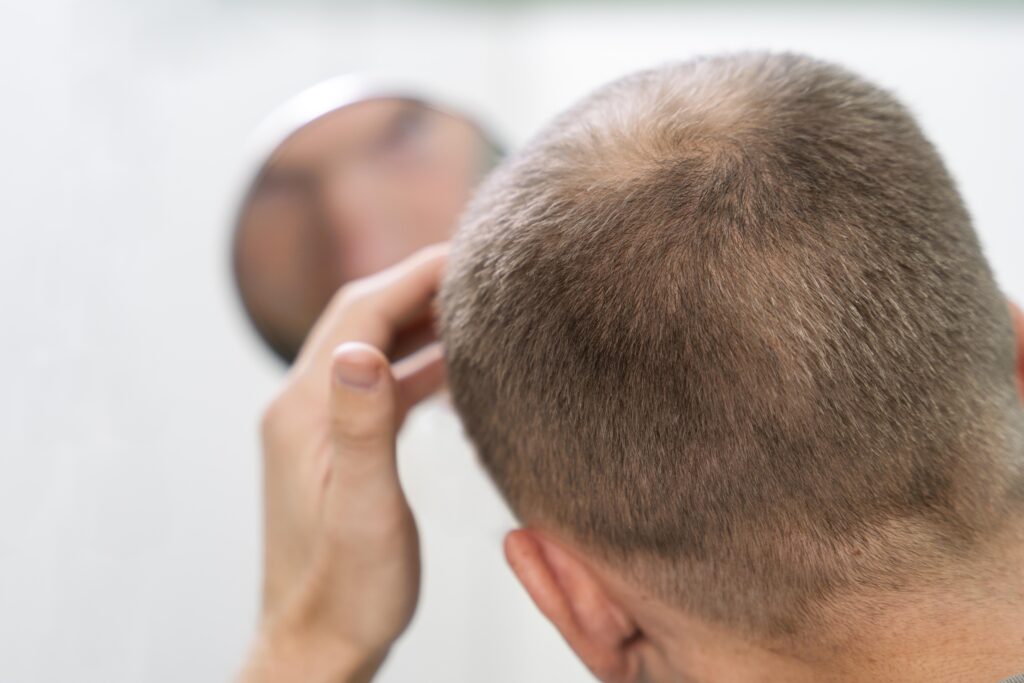
What is Hair Loss?
Hair loss (often written as hairloss) is the partial or complete loss of hair from the scalp or other parts of the body. It can be temporary or permanent, depending on the underlying condition.
Common Hair Loss Causes
There are several reasons why people lose hair:
- Genetics – Androgenic hair loss (male pattern baldness) is hereditary.
- Hormonal Changes – Hair loss postpartum and hair loss in women often happen due to hormonal shifts.
- Nutritional Deficiencies – Wondering which vitamin deficiency causes hair loss? Lack of Vitamin D, B12, and iron are common triggers.
- Medical Conditions – Thyroid issues, alopecia, or effluvium hair loss caused by stress or illness.
- Lifestyle Factors – Questions like does vaping cause hair loss, does nicotine cause hair loss, or even can masturbation cause hair loss often come up. While most are myths, some habits can indirectly affect hair health.
Hair Loss Symptoms You Shouldn’t Ignore
Early Signs:
- Thinning hair on the crown or hairline
- More hair fall than usual when combing or washing
- Itchy scalp and hair loss patches
- Sudden shedding (common with effluvium hair loss)
Recognizing these hair loss symptoms early can make treatment more effective.
Different Types of Hair Loss
Male Pattern Hair Loss
The most common type, linked to genetics and hormones, usually starts with a receding hairline.
Hair Loss in Women
Causes of hairloss in women include hormonal imbalances, PCOS, postpartum changes, and nutritional gaps. Hair loss treatment for women often involves targeted therapy and proper nutrition.
Children with Hair Loss
Though less common, children with hairloss may face it due to fungal infections, autoimmune conditions, or nutritional deficiencies.
Hair Loss Treatments & Solutions
Hair Loss Treatment Options
When it comes to finding the best hair loss treatment, there are multiple approaches:
Medication
- Minoxidil (Hair loss minoxidil) – Widely recommended by hair loss dermatologists.
- Prescription Medications – Often used in severe androgenic hair loss cases.
Therapy
- PRP (Platelet-Rich Plasma) treatments
- Laser therapy for stimulating growth
Hair Loss Prevention
- Using the right hair loss shampoo or anti hair loss shampoo
- Sebamed Anti Hairloss Shampoo is a popular choice among dermatologists.
- Eating hair loss vitamins such as biotin, zinc, and vitamin D.
Natural Hair Solutions
- Balanced diet
- Stress management
- Gentle scalp care
Debunking Hair Loss Myths
- Does creatine cause hair loss? Studies are mixed, but many creatine hair loss Reddit discussions exaggerate the risk.
- Can masturbation cause hair loss? This is a myth with no scientific backing.
- Does vaping cause hair loss? While vaping can affect overall health, direct evidence linking it to hairloss is limited.
Choosing the Right Hair Treatment for Hair Loss
When selecting the right hair loss solution:
- Consult a hair loss dermatologist for tailored advice.
- Use proven products like hair loss shampoo or anti hair loss shampoo.
- Consider hair loss treatment for women or men based on type and severity.
Final Thoughts
Hair loss is not just a cosmetic issue—it can affect confidence and mental health. The good news is, with proper diagnosis and the right approach, there are effective hair solutions for hair loss available today. From hair loss medication and hair loss therapy to lifestyle changes and hair loss prevention strategies, the options are better than ever.
If you’re experiencing severe shedding, consult a dermatologist to find the best hair loss treatment suited for your condition. Early action makes a big difference.