

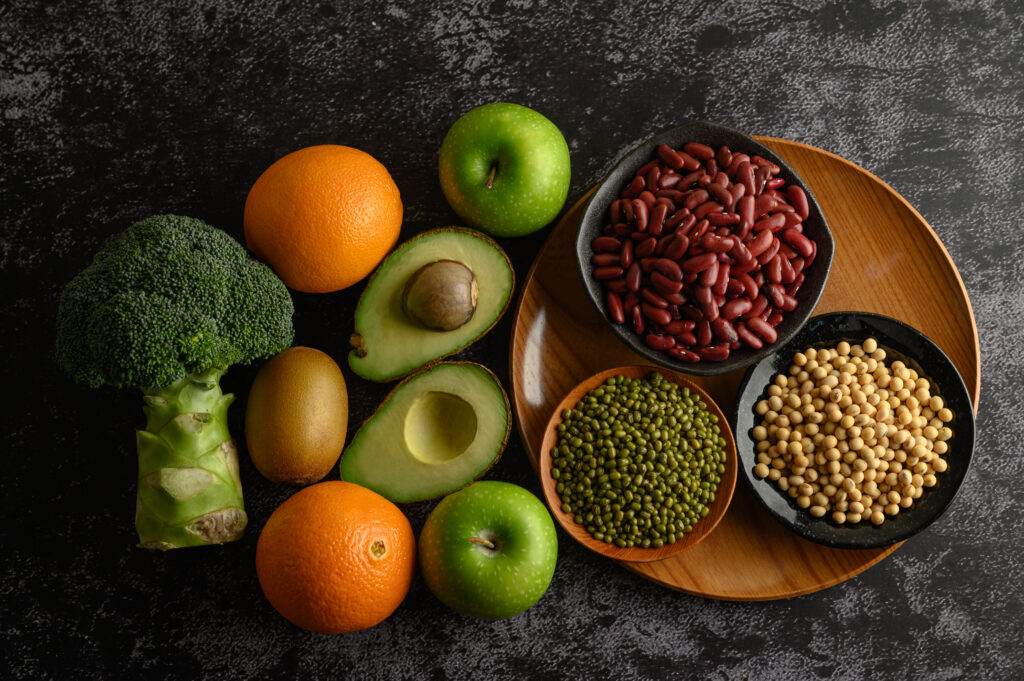
Let’s be honest, most of us don’t think about fiber until something feels “off” in our digestion. But here’s the truth: fiber-enriched food is one of the most powerful tools you have for better health. It works quietly behind the scenes, supporting your gut, heart, weight, and even blood sugar levels.
So, what makes it so important? And how can you easily include it in your daily meals without overcomplicating things? Let’s break it down step by step.
What Is Fiber Enriched Food?
Understanding Dietary Fiber
Dietary fiber is a type of carbohydrate found in plant-based foods. Unlike other carbs, your body can’t fully digest it. Instead of being broken down for energy, it moves through your digestive system, doing valuable work along the way.
When we talk about fiber-enriched food, we’re referring to foods naturally high in fiber or products fortified with added fiber to boost their nutritional value.
Why Fiber Matters in Daily Nutrition
Think of fiber as a broom for your digestive system. It helps sweep waste out efficiently, supports healthy gut bacteria, and keeps everything moving smoothly. Without enough fiber, digestion slows down—and that’s when discomfort begins.
Types of Dietary Fiber
Soluble Fiber
Soluble fiber dissolves in water and forms a gel-like substance in your gut. It helps lower cholesterol levels and regulate blood sugar. Oats, beans, and many fiber-enriched fruits are rich in soluble fiber.
Insoluble Fiber
Insoluble fiber does not dissolve in water. Instead, it adds bulk to your stool and helps prevent constipation. Whole grains and many fiber-enriched vegetables are excellent sources of fiber.
Key Differences Between the Two
Soluble fiber supports metabolic health, while insoluble fiber focuses more on digestion and bowel regularity. A balanced intake of both is essential for a complete fiber-enriched diet.
Health Benefits of Fiber-Enriched Food
Supports Digestive Health
This is the most well-known benefit. Fiber keeps your digestive tract functioning smoothly and reduces the risk of constipation, bloating, and irregular bowel movements.
Helps Manage Weight
Want to feel full longer? Fiber slows digestion and increases satiety. That means fewer cravings and less overeating. Including fiber-enriched food in every meal can naturally support weight control.
Controls Blood Sugar Levels
Soluble fiber slows the absorption of sugar into your bloodstream. This helps prevent spikes and crashes, which is especially helpful for people managing diabetes.
Promotes Heart Health
Studies consistently show that a fiber-enriched diet can reduce LDL (bad cholesterol) levels. Lower cholesterol equals a healthier heart.
Top Fiber-Enriched Fruits
Apples and Pears
Simple, affordable, and powerful. These fruits are rich in both soluble and insoluble fiber—especially when eaten with the skin.
Berries
Strawberries, blueberries, and raspberries are small but mighty. They are excellent fiber-enriched fruits packed with antioxidants.
Bananas and Oranges
Bananas provide resistant starch, a type of fiber beneficial for gut bacteria. Oranges offer fiber along with vitamin C, making them a smart snack choice.
Read More: How Many Calories Does an Apple Fruit Have? A Simple Nutrition Guide
Best Fiber-Enriched Vegetables
Leafy Greens
Spinach, kale, and lettuce are classic fiber-enriched vegetables. They’re light, versatile, and easy to add to salads or smoothies.
Root Vegetables
Carrots, sweet potatoes, and beets are high in fiber and nutrients. They also add natural sweetness to meals.
Cruciferous Vegetables
Broccoli, cauliflower, and Brussels sprouts support digestion and provide strong fiber content. They’re essential in a balanced fiber-enriched diet.
Building a Balanced Fiber-Enriched Diet
Daily Fiber Requirements
Most adults need between 25 and 38 grams of fiber per day. Yet many people consume far less. The solution? Gradually increase your intake of fiber-enriched food throughout the day.
Simple Meal Planning Tips
- Add berries to your breakfast.
- Choose whole-grainwhole-grainwhole grain bread instead of white.
- Include at least one serving of fiber-enriched vegetables at lunch and dinner.
- Snack on nuts or fiber-enriched fruits instead of processed snacks.
Common Mistakes to Avoid
Don’t suddenly double your fiber intake overnight. That can cause bloating or gas. Increase slowly and pair it with enough water.
How to Add More Fiber Without Discomfort
Increase Intake Gradually
Your gut needs time to adapt. Add 3–5 grams of fiber every few days rather than making a drastic change.
Drink Enough Water
Fiber absorbs water. Without enough fluids, it can cause constipation instead of preventing it. Hydration is key when following a fiber-enriched diet.
Processed vs Natural Fiber Enriched Food
Reading Food Labels
Many packaged products advertise added fiber. Check labels carefully. Look for whole food ingredients rather than synthetic fiber additives.
Choosing Whole Foods First
Natural fiber-enriched foods like fruits, vegetables, legumes, and whole grains should form the foundation of your diet. Supplements can help, but real food offers additional vitamins and minerals.
Who Should Focus More on Fiber?
Adults with Digestive Issues
If you struggle with constipation or irregular digestion, increasing fiber-enriched food intake can provide relief.
People Managing Weight or Diabetes
A consistent fiber-enriched diet helps control appetite and stabilize blood sugar, making it beneficial for long-term health management.
Conclusion
Good health doesn’t always require complex solutions. Sometimes, it starts with something as simple as choosing the right foods. By incorporating more fiber-enriched food, along with plenty of fiber-enriched fruits and fiber-enriched vegetables, you create a sustainable and balanced fiber-enriched diet that supports digestion, heart health, and overall well-being.
Start small. Stay consistent. Your body will thank you.
FAQs
1. How much fiber should I eat daily?
Most adults need 25–38 grams of fiber per day, depending on age and gender.
2. Can too much fiber be harmful?
Yes. A sudden increase can cause bloating, gas, and discomfort. Gradual changes are best.
3. Are supplements as effective as natural fiber sources?
Whole foods are better because they provide additional nutrients beyond fiber.
4. What are the best fiber-enriched fruits for beginners?
Apples, pears, and berries are excellent and easy to include in daily meals.
5. How long does it take to see benefits from a fiber-enriched diet?
Many people notice digestive improvements within a few days to a couple of weeks.