
Vitamin B12 is an essential nutrient that plays a critical role in red blood cell formation, nerve function, and DNA synthesis. Despite its importance, Vitamin B12 deficiency is common, especially among vegetarians, vegans, older adults, and people with digestive disorders. Understanding food sources of Vitamin B12 can help you maintain optimal health and reduce reliance on vitamin B12 tablets, B12 capsules, or other forms of B12 supplements unless medically required.
This top-of-funnel guide explains the top 12 foods high in Vitamin B12, their benefits, and when supplementation, such as injectable vitamin B12 or methylcobalamin tablet, may be considered.
What Is Vitamin B12 and Why Is It Important?
Vitamin B12, also known as cobalamin, is a water-soluble vitamin that supports:
- Healthy brain and nervous system function
- Red blood cell production
- Energy metabolism
- Prevention of megaloblastic anemia
A long-term lack of Vitamin B12 can lead to fatigue, nerve damage, memory issues, and weakness. Since the body does not produce Vitamin B12, it must come from food, fortified products, or a B12 supplement.
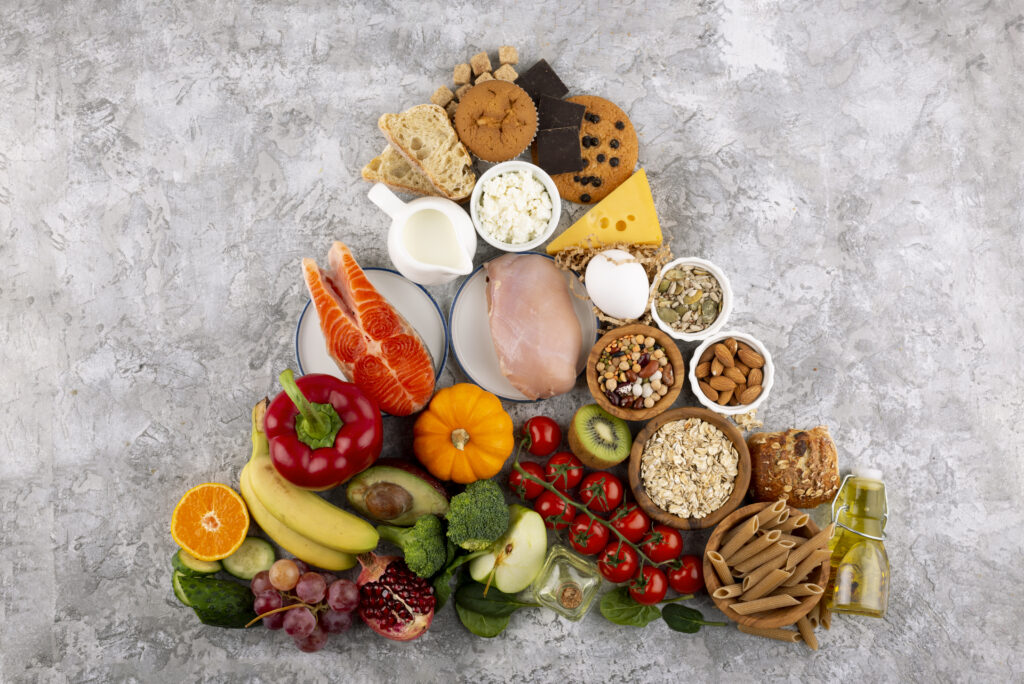
Top 12 Foods That Are High in Vitamin B12
1. Clams
Clams are one of the richest natural sources of Vitamin B12. A small serving can provide several times the daily recommended intake of vitamins B 12, making them ideal for preventing deficiency.
Key benefit: Supports nerve health and red blood cell formation.
2. Liver (Beef Liver)
Beef liver is extremely high in Vitamin B12 and is often recommended for people with severe deficiency before shifting to vitamin B12 tablets.
Note: Consume in moderation due to high vitamin A content.
3. Sardines
Sardines are nutrient-dense fish packed with Vitamin B12, omega-3 fatty acids, and protein.
Why it matters: Regular intake supports brain health and energy metabolism linked to Vitamin B12 function.
4. Salmon
Salmon is a widely consumed food rich in Vitamin B12 and healthy fats. It is especially beneficial for people seeking natural alternatives to B12 capsules.
5. Tuna
Both fresh and canned tuna contain significant amounts of Vitamin B12. It is an affordable and accessible option for meeting daily requirements.
6. Trout
Trout provides high levels of Vitamin B12 along with selenium and protein, making it beneficial for immune and metabolic health.
7. Milk and Dairy Products
Milk, yogurt, and cheese contain moderate amounts of Vitamin B12, especially useful for vegetarians who consume dairy.
Tip: Dairy foods help reduce the need for b12 supplement in lacto-vegetarian diets.
8. Eggs
Egg yolks contain Vitamin B12, though in smaller amounts compared to meat and fish. Still, they contribute meaningfully to the daily intake of vitamins B 12.
9. Fortified Breakfast Cereals
Fortified cereals are an important non-animal source of Vitamin B12, especially for vegans. Many fortified options reduce dependency on vitamin B12 tablets.
10. Fortified Plant-Based Milk
Soy milk, almond milk, and oat milk are often fortified with Vitamin B12, making them suitable alternatives to animal-based foods.
11. Nutritional Yeast (Fortified)
Fortified nutritional yeast is popular among vegans and provides Vitamin B12 in a highly bioavailable form.
Important: Always check labels to ensure Vitamin B12 fortification.
12. Shellfish (Crab and Lobster)
Shellfish like crab and lobster are rich in Vitamin B12 and essential minerals, supporting nerve and blood health.
Also read: https://navataram.com/9-easy-turmeric-recipes-for-healthy-living/
Who Is at Risk of Vitamin B12 Deficiency?
You may be at higher risk of Vitamin B12 deficiency if you:
- Follow a vegan or strict vegetarian diet.
- Are over 50 years of age
- Have gastrointestinal disorders
- Have undergone gastric surgery
- Take medications that reduce stomach acid.
In such cases, doctors may recommend b12 capsules, methycobal tablet, or even injectable vitamin B12 depending on severity.
Food vs Supplements: Which Is Better?
Getting Vitamin B12 from food is ideal for most people. However, supplements may be required when absorption is impaired.
Common Supplement Forms Include:
- Vitamin B12 tablets
- B12 capsules
- Methycobal tablet (methylcobalamin form)
- Injectable vitamin B12 for severe deficiency
A healthcare provider should determine the appropriate B12 supplement based on blood levels and symptoms.
How Much Vitamin B12 Do You Need Daily?
The recommended daily intake of Vitamin B12 for adults is approximately 2.4 micrograms. Pregnant and breastfeeding women may need slightly higher amounts.
Key Takeaways
- Vitamin B12 is essential for nerve function, energy, and red blood cells.
- Animal foods are the richest natural sources of Vitamin B12.
- Fortified foods help vegetarians and vegans meet their needs.
- Supplements like vitamin B12 tablets or B12 capsules may be necessary in a deficiency.
- Severe cases may require injectable vitamin B12
Frequently Asked Questions (FAQs)
1. Can I get enough Vitamin B12 from food alone?
Yes, if you consume animal products or fortified foods regularly. Otherwise, a B12 supplement may be required.
2. Are vitamin B12 tablets safe for daily use?
Yes, vitamin B12 tablets are generally safe when taken as recommended.
3. What is the difference between the methycobal tablet and the regular B12?
A methylcobalamin tablet contains methylcobalamin, an active form of Vitamin B12 that is easily absorbed.
4. When is injectable vitamin B12 needed?
Injectable vitamin B12 is usually prescribed for severe deficiency or absorption disorders.
5. Do vegetarians need B12 supplements?
Most vegetarians need fortified foods or B12 capsules to maintain healthy Vitamin B12 levels.