
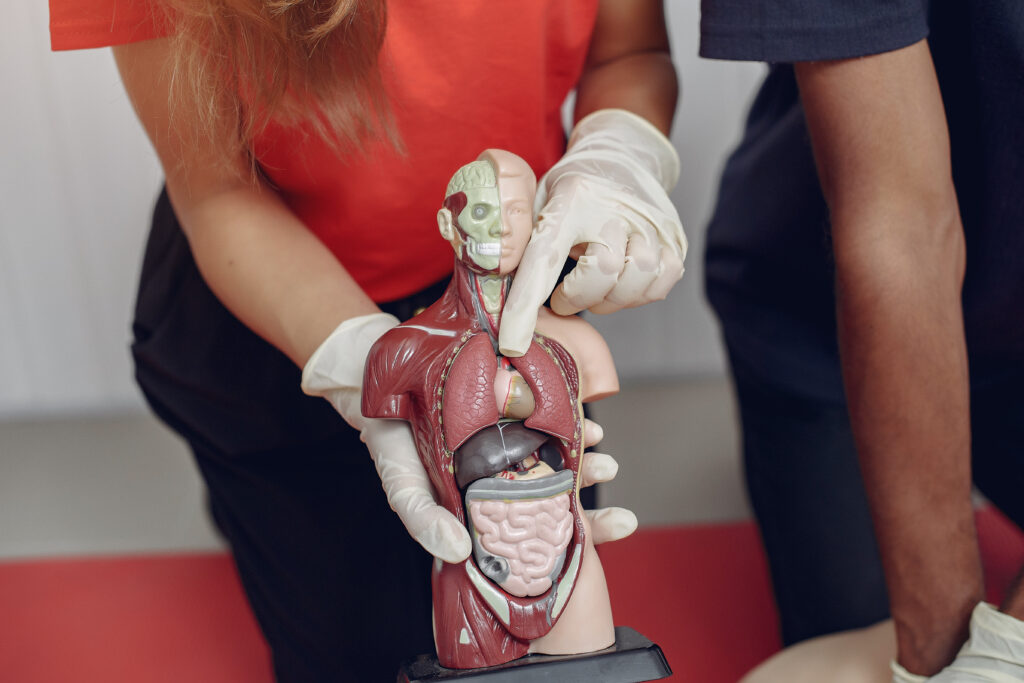

Your Complete Guide to Understanding the Biggest Organs and How They Support Health
When learning about human anatomy, one common question is: What are the largest organs in the body?
This article provides a clear overview of the largest organs, their differences, and why they matter to top-of-funnel readers interested in human biology and health. We naturally incorporated related concepts, such as the largest muscle in the human body, the largest internal organs, the largest bone in the human body, the largest bones in the human body, and the widest bone in the human body, throughout the content.
Table of Contents
- Introduction: What Defines an Organ?
- The Largest Organ in the Human Body
- What Makes the Skin the Largest Organ
- Functions of the Skin
- Largest Internal Organs You Should Know
- The Liver: The Largest Internal Organ
- Other Major Large Internal Organs
- Large Bones and Muscles in the Human Body
- Big Bones: The Biggest Bone in the Human Body
- Largest Muscle in the Human Body
- Why Knowing Organ Size Matters
- Frequently Asked Questions (FAQs)
Introduction: What Defines an Organ?
In biology, an organ is a group of tissues working together to perform one or more specific functions essential to life. Organs vary in size, structure, and function. Some organs are visible externally, while others lie deep within the body, performing critical roles.
The Largest Organ in the Human Body
What Makes the Skin the Largest Organ
The skin is the largest organ in the human body, covering the entire external surface and accounting for about 15–16 percent of total body weight in an average adult. (Skin: Facts about the body’s largest organ and its functions, n.d.)
Unlike internal organs, the skin operates as a protective barrier between your body and the external environment.
Functions of the Skin
The skin performs several vital roles:
- Protects against pathogens, UV radiation, and external injuries
- Regulates body temperature through sweat and blood flow
- Provides sensory feedback (touch, heat, pressure)
- Stores water, fats, and vitamin D precursors
- Helps heal wounds and regenerate cells
Because it encompasses the full body surface, its area and weight make it larger than any other organ system component.
Largest Internal Organs You Should Know
While the skin is the largest organ, several large internal organs play crucial roles in keeping you alive.
The Liver: The Largest Internal Organ
The liver is the largest internal organ in the human body. It performs over 500 essential functions, including:
- Detoxifying blood
- Producing bile for digestion
- Managing metabolism
- Storing nutrients and vitamins
- Synthesizing key proteins
It weighs approximately 1.4–1.6 kg in adults and sits beneath the rib cage on the right side of the abdomen.
Other Major Large Internal Organs
After the liver, several other large internal organs are key to human function:
- Brain – controls thoughts, memory, and nervous system function.
- Lungs – exchange oxygen and carbon dioxide.
- Heart – pumps blood throughout the body.
- Kidneys – filter blood and manage fluid balance.
These organs vary in size and weight, but they are essential for maintaining life.
Large Bones and Muscles in the Human Body
Understanding organs also connects to knowing about major structural elements like bones and muscles.
Big Bones: The Biggest and Widest Bones of the Human Body
- Biggest bone in the human body: The femur (thigh bone) is the largest and strongest bone in the body.
- It supports body weight and enables upright posture and movement.
These facts are helpful when broadly exploring human anatomy alongside organ sizes.
Largest Muscle in the Human Body
The largest muscle in the human body is the gluteus maximus. It plays a major role in movement, especially in posture, walking, and running.
Together, large muscles and bones form the musculoskeletal system, which supports organs and enables locomotion.
Also read: Why Is Mental Health Important? Key Reasons You Should Know
Why Knowing Organ Size Matters
Understanding the largest organs and their relative sizes helps in both academic and health contexts:
- Improves basic anatomy knowledge
- Supports informed health decisions.
- Helps learners differentiate between external and internal organs
- Adds context to broader biological health topics
This foundational knowledge is useful for students, health enthusiasts, and general readers alike.
Frequently Asked Questions (FAQs)
1. What is the largest organ in the human body?
The skin is the largest organ overall, covering the entire body surface.
2. Which is the largest internal organ in the body?
The liver is the largest internal organ by mass.
3. What is the biggest bone in our body?
The femur is the biggest bone in the human body.
4. Which is the widest bone in the human body?
The pelvis is considered one of the widest bones. (While not the single widest in all contexts, it broadly represents a wide bone structure.)
5. What is the largest muscle in the human body?
The gluteus maximus holds the title of the largest muscle in the human body.
6. Are muscles considered organs?
Muscles are tissues, and groups of muscle tissues form organs in the musculoskeletal system.